Classic Culprits Worth Keeping on the Radar
 A few of the plants from the old guard of “avoid these” lists are still going strong, and still worth knowing:
| Plant | Most Toxic Part | Key Symptoms |
| Caladium | Entire plant | Intense oral and throat irritation, GI upset |
| Azalea / Rhododendron | Entire plant | Vomiting, seizures, heart problems |
| Amaryllis | Entire plant (bulb most toxic) | Vomiting, low blood pressure, tremors, lethargy |
Not All Toxic Plants Affect Furry Friends Equally
 Here’s something most people don’t know: “toxic to pets” doesn’t always mean toxic to both pets equally. Dogs and cats have meaningfully different physiologies, and a plant that sends one to the emergency vet might barely faze the other. If you have a multi-pet household, this is especially worth knowing.
What Plants Are Toxic to Cats?
Cats have a few unique vulnerabilities that set them apart from dogs. Their livers process certain compounds very differently from canines, and that difference can be fatal.- Lilies are infamous among cat owners for a reason. The Lilium and Hemerocallis species cause acute kidney failure in cats from even trace exposure. Dogs who eat the same plant typically experience only mild stomach upset and recover without incident. Cats are the only species known to develop kidney injury from lily ingestion. Some varieties to watch out for include Easter, Tiger, Asiatic, Stargazer, and Japanese lilies.
- Dracaena (including the popular corn plant) is another one where cats draw short straws. Dogs usually experience gastrointestinal issues with small exposures. Cats can develop more serious symptoms including dilated pupils, rapid breathing, and elevated heart rate — particularly with larger ingestions.
What Plants Are Toxic to Dogs?
Dogs don’t have many plant vulnerabilities that cats entirely escape, but their eating habits tend to put them at greater risk overall. A dog is simply more likely to eat an entire tulip bulb, while a few nibbles satiate a cat’s curiosity. That said, a few are worth flagging specifically.- Macadamia nuts are well-documented as toxic to dogs, causing weakness, tremors, fever, and vomiting. But they have little to no documented effect on cats. Not a houseplant, but worth knowing if you keep them around.
- Certain members of the Allium family (onions, garlic, chives, and leeks) are toxic to both species, but dogs tend to be exposed more often through table scraps and are slightly less sensitive than cats. In large amounts, these damage red blood cells in both animals, so it applies across the board.
The Instagram-Famous Offenders
 Some of the most popular houseplants that star in social media trends happen to be among the worst choices for pet owners. The takeaway: if it’s all over your explore page, double-check before you buy.
| Plant | Toxic Part | Key Symptoms |
| Pothos (Devil’s Ivy) | Entire plant | Oral irritation, drooling, vomiting |
| Monstera | Entire plant | Oral irritation, drooling, vomiting |
| Philodendron | Entire plant | Oral irritation, drooling, vomiting |
| Peace Lily | Entire plant | Oral irritation, drooling, vomiting |
| Dumbcane (Dieffenbachia) | Entire plant | Oral irritation, drooling, vomiting; rarely, throat swelling |
| Chinese Evergreen | Entire plant | Oral irritation, drooling, vomiting |
| Fiddle-Leaf Fig | Leaves, sap | GI upset; sap can cause skin irritation |
Seasonal Surprises: The Plants That Come and Go
 Spring means flowers, and flowers mean well-meaning people buying beautiful bouquets and arrangements — often with no idea what’s inside them.
| Plant | Most Toxic Part | Key Symptoms |
| Lilies | Entire plant, including pollen and vase water | Cats: acute kidney failure and possible death within 48–72 hrs; Dogs: mild GI upset only |
| Tulips | Bulbs | Oral irritation, vomiting, diarrhea; irregular heartbeat and difficulty breathing in large amounts |
| Hyacinths | Bulbs | Oral irritation, vomiting, diarrhea; irregular heartbeat and difficulty breathing in large amounts |
| Poinsettia | Leaves, stems | Drooling, mild GI upset |
Extremely Toxic Plants to Keep Away from Every Pet
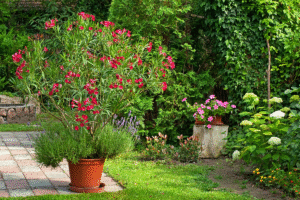 While most toxic plants cause discomfort that resolves with veterinary care, a few warrant extra attention because the stakes are significantly higher.
| Plant | Most Toxic Part | Key Symptoms | Notes |
| Sago Palm | Entire plant (seeds most concentrated) | Severe vomiting, liver failure, abnormal bleeding, death | Symptoms can be delayed 12–48 hrs; survival rates low even with treatment |
| Autumn Crocus | Entire plant | Severe GI distress, heart arrhythmias, liver/kidney failure, bone marrow damage | Often mistaken for spring crocus; symptoms delayed 2–5 days |
| Oleander | Entire plant | Cardiac arrhythmia, dangerously low blood pressure | Common in landscaping; symptoms can be delayed |
What to Do If Your Pet Gets into a Plant
 Sometimes, you can’t control what your curious furry friend puts in their mouth. But stay calm and act fast. Here’s your plan of action:
- Remove your pet from the area so they can’t eat any more of the plant.
- Try to identify the plant. The full name matters, since “lily” covers dozens of species with varying toxicity levels.
- Call your nearest emergency vet or the ASPCA Animal Poison Control Center at (888) 426-4435 (available 24/7). They can advise whether you need to come in right away or monitor at home.
- Don’t try to induce vomiting or treat at home without professional guidance.
You Don’t Have to Choose Between Plants and Pets
 With a little label-checking at the nursery and a quick database search, you can fill every corner of your apartment with greenery and not lose a single night of sleep over it.
Your plant era doesn’t have to end just because you share the couch with a golden retriever or a cat who thinks every leaf is an invitation. It just requires knowing who your furry roommates are and shopping accordingly. For a complete list of toxic and non-toxic plants, visit the ASPCA Animal Poison Control Center plant database. In a pet emergency, call (888) 426-4435. This article was originally published by Jason Potts on April 24, 2013.
With a little label-checking at the nursery and a quick database search, you can fill every corner of your apartment with greenery and not lose a single night of sleep over it.
Your plant era doesn’t have to end just because you share the couch with a golden retriever or a cat who thinks every leaf is an invitation. It just requires knowing who your furry roommates are and shopping accordingly. For a complete list of toxic and non-toxic plants, visit the ASPCA Animal Poison Control Center plant database. In a pet emergency, call (888) 426-4435. This article was originally published by Jason Potts on April 24, 2013.