When you move into a new place, you’ll typically sign a lease with the intention of living in your new city or new place for an entire year. But sometimes life happens. Maybe you get sick. Maybe a relative does. You might lose your job and get another one in a different town. If you’re married or in a serious relationship, your spouse or partner might have to move to another city and want you to follow him or her. No matter the reason, you may find yourself in a situation where you have to break your lease. If this happens, here’s a guide provided by Massachusetts and Rhode Island attorney and real estate broker T. Harry Eliopoulos that you can use to handle this trying situation.
If Your Home Becomes Uninhabitable
Under the lease agreement, you’re responsible for paying monthly rent and keeping the house in good condition. If your home becomes uninhabitable and the property manager does nothing to fix it, you may be able to legally break your lease. If your manager enters the apartment and violates your privacy, you may be able to break your lease. Before doing this, you must write your property manager a letter discussing the problem(s). The property manager has a reasonable amount of time to fix the problem before you leave. If your property owner doesn’t do anything to solve the issue, you can terminate your lease through the courts or by contacting a local attorney.
Military Service
If you’re entering the military, you can legally terminate your lease under federal law. You’ll want to write your property owner a letter saying you are entering military service. After 30 days, your lease will terminate.
When You Need to Leave
Image Credit
If you have to vacate your home, you may still be liable for the remainder of the lease. If you move out without notifying your property owner, he or she can sue you for the rest of the money you owe. Essentially, you have two options in this situation.
“Your better option is to notify your property manager as soon as you know you may have to leave and see if you can negotiate a shorter lease or the property manager may agree to terminate your lease early,” says Eliopoulos. You can also try to find a new renter to take over your lease for you. But your property manager doesn’t have to take a new renter. Before you do anything else, you’ll want to try working with your housing manager to see if you can reach an agreement.
In some states, if you leave without finding a new renter, your property manager has a duty to find a new renter to reduce the amount of rent you owe.
Find Temporary Housing
If you know there’s a chance you may leave — if your partner is looking to relocate, for instance — you can try to find a month-to-month lease or tenancy at will. This will give you more flexibility with your own lease.
With the holidays so near, I know everyone is searching for the perfect holiday treat to make! ForRent.com wants to provide you with our holiday recipe tips. The first six are regarding essential holiday pantry items and the remaining six are holiday treat recipes! 6 Essential Holiday Pantry Items: Chocolate Morsels Pam Cooking Spray Vanilla […]
Multi-tasking is an admirable skill, but when it comes to studying, focus is key. Here are some ideas on how to create a study space that gets A+ results.
Spring is in the air – and now it’s time for spring cleaning. No one really wants to spend a day cleaning – but with a few quick tips – you’ll be done in no time. Bedroom Closet Are you looking forward to summer? It’s time to get your wardrobe ready before it gets hot […]
Exercising with a partner is one of the best things you can do to maintain a workout program. Living in an apartment may be a great opportunity to do this if you can find someone in the building who has similar health/exercise ideas and goals. If you see someone heading out for a daily run, […]
Now that the holiday season is knocking, you might be itching to transform your rental into a festive oasis. But those nails you use to hang your stockings and the lights around your windows could turn your magical holiday season downright grinch-like when it comes time to get your security deposit back. Luckily, we have […]


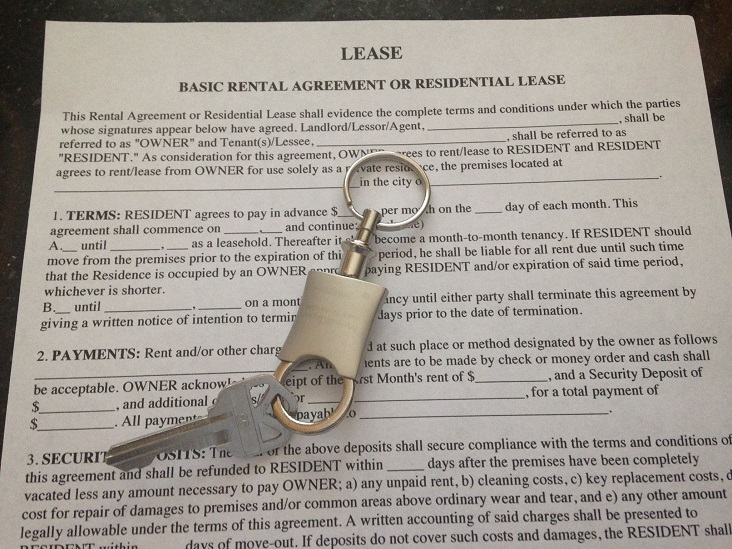 Under the lease agreement, you’re responsible for paying monthly rent and keeping the house in good condition. If your home becomes uninhabitable and the property manager does nothing to fix it, you may be able to legally break your lease. If your manager enters the apartment and violates your privacy, you may be able to break your lease. Before doing this, you must write your property manager a letter discussing the problem(s). The property manager has a reasonable amount of time to fix the problem before you leave. If your property owner doesn’t do anything to solve the issue, you can terminate your lease through the courts or by contacting a local attorney.