Why Apartment Inspections Matter
An apartment inspection is one of the best ways to protect yourself as a renter. Identifying issues before move-in can help you avoid being held responsible for pre-existing damage and give your landlord the opportunity to fix problems before they become worse. A move-in inspection can also help you:- Protect your security deposit
- Catch maintenance issues early
- Identify potential safety concerns
- Avoid unexpected repair disputes later
- Start your lease with documentation of the apartment’s condition
What to Check During an Apartment Inspection
 Inspecting an apartment can feel overwhelming, so break it down room by room. Work through the kitchen, bathroom, bedroom, living area, laundry space, and any additional rooms while testing appliances, fixtures, and safety features along the way.
Here’s what to look for during your walkthrough.
Inspecting an apartment can feel overwhelming, so break it down room by room. Work through the kitchen, bathroom, bedroom, living area, laundry space, and any additional rooms while testing appliances, fixtures, and safety features along the way.
Here’s what to look for during your walkthrough.
Kitchen Inspection Checklist
The kitchen is one of the most heavily used spaces in an apartment, so it’s important to test everything thoroughly.Appliances
Check that all appliances are clean and functioning properly, including the:- Refrigerator and freezer
- Oven and stovetop burners
- Microwave
- Dishwasher
- Garbage disposal
Plumbing
Run both hot and cold water from the sink faucet and check underneath for leaks or water damage. Slow drainage or unusual odors could point to plumbing issues.Cabinets and Storage
Open every cabinet and drawer to look for:- Water damage
- Mold or mildew
- Pest droppings
- Broken hinges or shelves
Bathroom Inspection Checklist
Bathrooms can hide moisture problems, so inspect carefully.Fixtures and Water Pressure
Test the:- Toilet flush
- Sink faucets
- Shower or bathtub
- Water temperature
- Water pressure
Mold and Water Damage
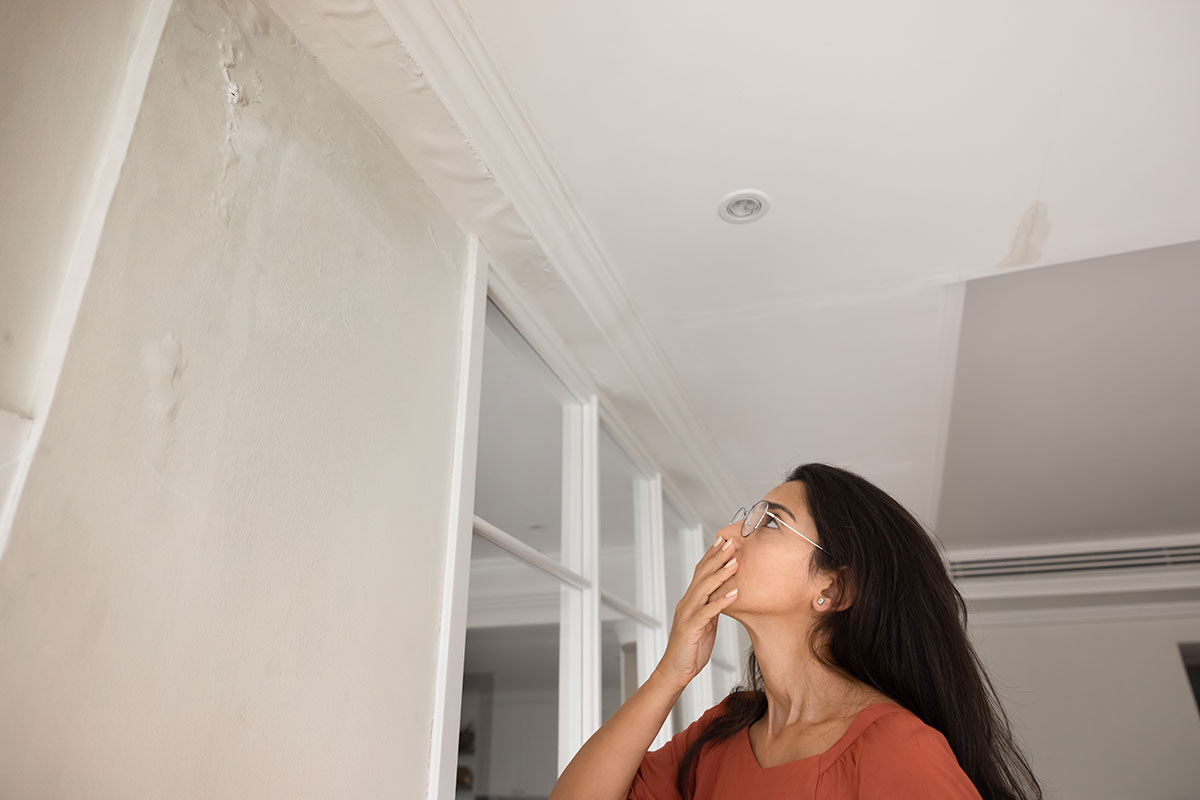
Check ceilings, corners, and under sinks for signs of:- Mold or mildew
- Peeling paint
- Water stains
- Soft drywall
Ventilation
Turn on the bathroom fan to make sure it works properly. Poor ventilation can contribute to mold growth over time.Bedroom and Living Area Inspection Checklist
These spaces may seem straightforward, but they can still contain hidden issues.Walls, Ceilings, and Floors
Look for:- Cracks in walls or ceilings
- Water stains
- Damaged flooring
- Loose tiles or carpet damage
Windows and Doors
Open and close all windows and doors to make sure they function properly. Check for:- Broken locks
- Drafts
- Cracked glass
- Damaged screens
Closets and Storage Areas
Inspect closets for hidden mold, mildew, or pest issues. Don’t forget to check hard-to-reach corners and shelving. If the apartment is furnished, inspect furniture and mattresses for cleanliness, stains, or damage.Electrical, HVAC, and Safety Features
Testing safety and electrical systems is one of the most important parts of an apartment inspection.Electrical Outlets and Lights
Test all:- Light switches
- Ceiling fixtures
- Electrical outlets
Heating and Air Conditioning
Turn on both the heating and cooling systems to ensure they work correctly. Listen for unusual noises and make sure airflow is strong enough throughout the apartment.Smoke and Carbon Monoxide Detectors
Check that all smoke detectors and carbon monoxide detectors are installed and operational. These devices are essential for apartment safety.Locks and Entry Systems
Test all locks, keys, fobs, and entry systems to make sure they work properly and feel secure.Don’t Forget These Often-Overlooked Items
Some important details are easy to miss during a walkthrough. Before moving in, also check:- The thermostat
- Circuit breaker box
- Window blinds and curtain rods
- Exterior lighting
- Community gates or building entry points
- Check for water stains around the washer
- Inspect the dryer vent for visible blockages
- Run both appliances briefly if possible
How to Document Damage Before Move-In
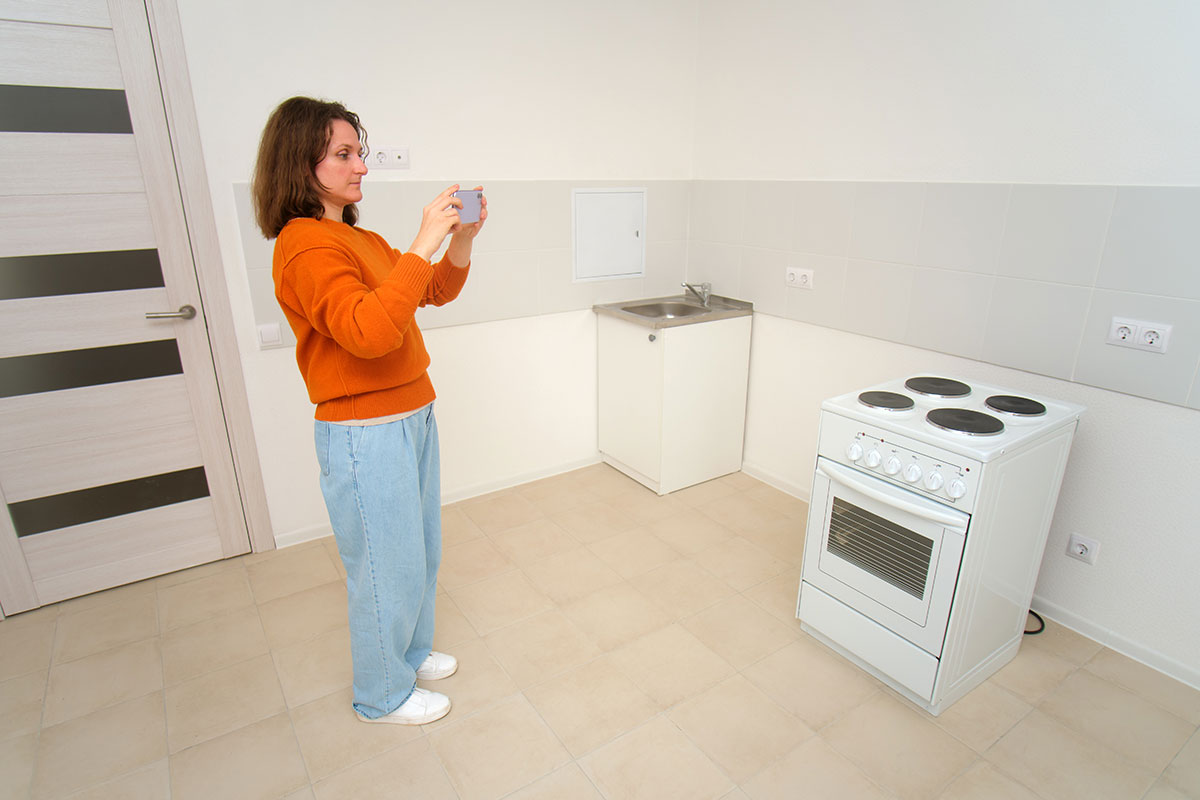 If you find any damage during your inspection, document it immediately. Thorough records can help protect you from being charged for pre-existing issues later. The best ways to document apartment damage are:
- Take timestamped photos and videos
- Email the images to your landlord or property manager
- Save copies of maintenance requests and communication
- Keep a written checklist of issues you found
Apartment Inspection Red Flags to Watch For
Some issues may signal larger maintenance or management problems. Be cautious if you notice:- Strong odors
- Water stains
- Pest signs
- Poor water pressure
- Cracks or ceiling damage
- Broken appliances
- Dirty common areas
- Broken gates or locks
- Rushed walkthroughs from management
Final Apartment Walkthrough Tips
 Before signing your lease or moving in, give the apartment one final walkthrough. A few extra minutes of inspection can save you time, money, and stress later.
Keep these tips in mind:
Before signing your lease or moving in, give the apartment one final walkthrough. A few extra minutes of inspection can save you time, money, and stress later.
Keep these tips in mind:
- Inspect the apartment during daylight hours
- Test everything yourself
- Ask questions before signing the lease
- Don’t feel pressured to rush
- Take photos of every room
Moving into a new apartment should feel exciting, not stressful. A careful inspection helps ensure your new place is clean, functional, and ready to become home.
This article was originally published on October 7, 2014 by Steve Bertolacci and has been updated.