When settling into a
new apartment or house, the kind of emergency on your mind is how to get the Wi-Fi setup. But as you’re moving in, you’re also getting familiar with how often storms hit, how finicky the power is, or how badly local power poles need updated. You could be snowed in, have the power go out for days, and depending on where you live, be cut off from neighbors or help because of wind or rain conditions.
Before you worry about unpacking the boxes, here are the things you absolutely need stocked and ready for your new home:
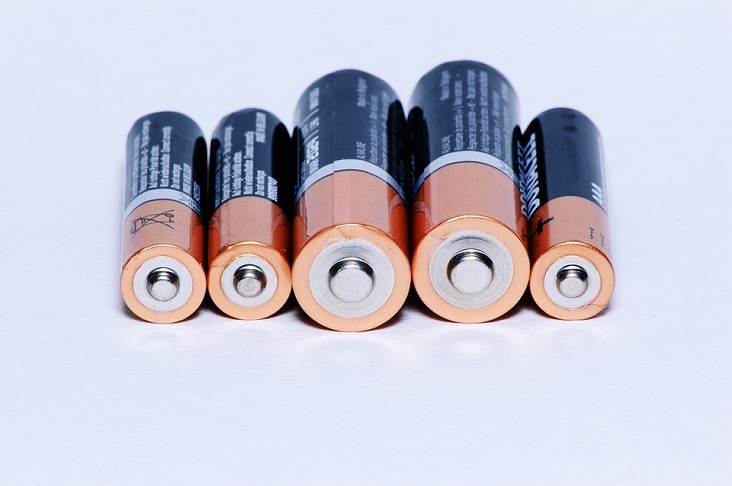
1. Batteries for Everything
Batteries are necessary for every kind of emergency —not just when your TV remote dies. Having them on hand can guarantee your flashlight doesn’t die in the middle of a power outage, power up an emergency phone if your cell isn’t getting signal, and can even be used to make fires by the more survivalist-savvy if you’re out of matches. When the power is gone —you need portable power. Plus, nothing’s worse than getting moved, settling down to watch some relaxing TV, and finding that your remote control is dead. It’s usually the last straw after you’re that tired.
2. Flashlights —The Rechargeable Ones, if Possible
Of course when the power goes out, you need light. Your phone will only last so long without an outlet to recharge, and you may need to preserve it for a later call if needed. Instead of running down its battery, a flashlight will keep you firmly in the 20th century (if not the 21st) until the power can come back on. As an added bonus, if you need to head outside for supplies or to take care of the pets, it can be a life —and a stubbed toe— saver.
3. Have an Emergency Phone
Even if it’s from a time gone by, every house and apartment still has the old timey phone jack where you can connect to a landline. If your cellphone is dead or can’t get service, you may need a landline to contact the local power company and notify them of the problem (if you live in the country) or let family members know you’re okay (if you had plans you’ll now be missing). Those original landline phones are cheap and easy to come by; just be sure to get the battery-powered ones.

4. Lighters
When it’s the dead of winter or just an exceptionally chilly night, you can’t afford to have your heating system out for long. Extra blankets are always good to have, but by keeping lighters on hand, you can light a fire in your wood stove to keep the home cozy. They also work as a light source of their own if needed, and your lamps or candles will be useless without them.
5. Candles or Oil Lamps
Flashlights are your first choice, but always keep candles or oil lamps on hand. There will be times where you forget to change out the batteries or the rechargeable pack breathes its last breath. Rather than getting caught in pitch black, have a lamp or a series of candles on hand. While candles are safer and less lightly to spill, causing a fire, oil lamps will last longer and burn brighter. Just be sure to place them somewhere out of reach and away from children, and be careful not to bump them.

Habits to Regularly Implement in Case of Emergency
- Regularly Check Out Smoke Alarm Batteries
Smoke alarms must be present in all apartments and visible, by law, but the law says nothing about regularly checking their batteries. Take that upon yourself. As soon as you move in, press their “test” button to make sure they still scream properly to keep you and your family safe from fire and toxic fumes.
- Keep Canned Foods Always
It doesn’t have to be much. A few cans of tomato or chicken soup on hand are valuable for those snowed-in days or in case the contents of your refrigerator turn south after a few hours without power chilling them. It’s better to give up some cupboard space than to go hungry.
[tweetthis]Do you have these 5 things in your #emergency weather kit? #staysafe[/tweetthis]
While you’re still learning the ropes of your new area, don’t get caught off guard with a surprise storm that blocks you in or kills your power. If you’re not sure where to find some of these items or where to pack them away cheaply, then check out
How to Get Organized on a Budget at the Dollar Store for the insider tips.